New vs Recycled Wooden Pallets:
Which One Should You Choose?
|
 |
 |
|
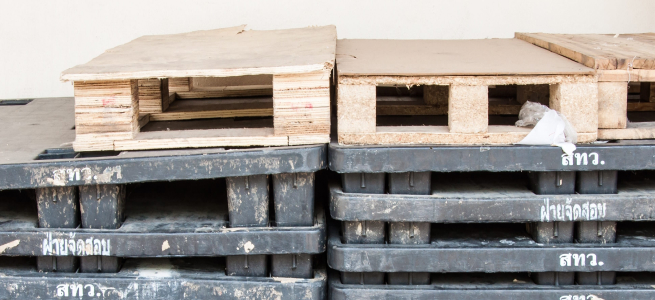
Wooden pallets are an essential part of many warehousing, manufacturing and transportation operations. Businesses use pallets to organize, store and move products more efficiently.
When purchasing pallets, one common decision is whether to choose new wooden pallets or recycled and local pallets.
Both options can be useful depending on the application. Rather than choosing based only on price, businesses should consider the condition, intended use, load requirements and operational needs of their pallets. |
| |
What Is a New Wooden Pallet?
|
|
 |
|
A new wooden pallet is manufactured using new timber and is supplied for use according to its intended specifications.
New pallets can be a suitable choice when a business requires a consistent pallet type, specific dimensions or a regular supply of pallets for its operations.
They may be particularly useful when pallet condition and consistency are important considerations. |
| |
What Is a Recycled or Local Pallet?
|
|
 |
|
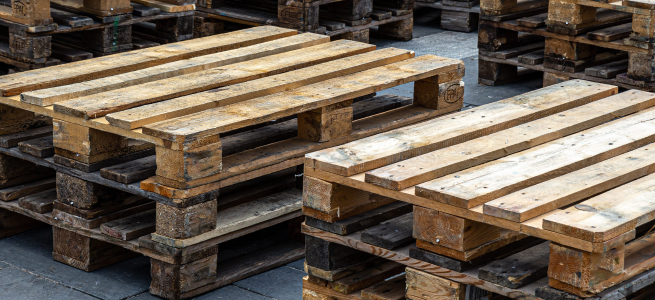
Recycled or local pallets are another option for businesses that require pallets for storage, handling and transportation.
The condition and specifications of recycled pallets can vary, so businesses should consider the intended application and required load when selecting them.
For certain operations, recycled or local pallets can provide a practical alternative to purchasing new pallets. |
| |
Cost Considerations
|
|
 |
|
Cost is often one of the main factors businesses consider when choosing between new and recycled pallets.
Businesses that require large quantities of pallets may look for options that fit their operational budget. Recycled or local pallets may be worth considering when a previously used pallet is suitable for the intended application.
However, price should always be considered together with the pallet's condition, load requirements and expected usage. |
| |
Consider the Condition of the Pallet
|
|
 |
|
The condition of a pallet is particularly important when choosing a recycled option.
Before using a recycled pallet, businesses should consider whether it is suitable for the intended load and handling conditions. |
|
| Look for obvious signs of damage such as: |
|
 |
|
Broken boards |
|
 |
|
Loose components |
|
 |
|
Significant cracks |
|
|
 |
|
Damaged support areas |
|
 |
|
Excessive wear |
|
|
|
|
| The pallet should be appropriate for the goods and handling equipment involved in the operation. |
| |
Consider the Load Requirements
|
|
 |
|
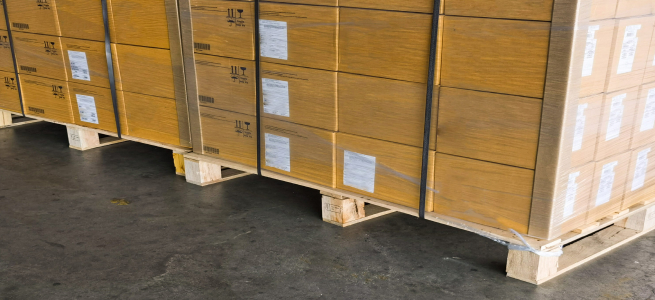
The weight and type of goods being transported should influence the pallet choice.
Heavy industrial products may require different pallet requirements from lightweight cartons or general warehouse goods.
Businesses should understand their normal load requirements before selecting either new or recycled pallets.
If there is uncertainty about the suitability of a particular pallet, it is better to discuss the application with the supplier before purchasing. |
| |
Consider How Often the Pallet Will Be Used
|
|
 |
|
Another important consideration is how the pallet will be used.
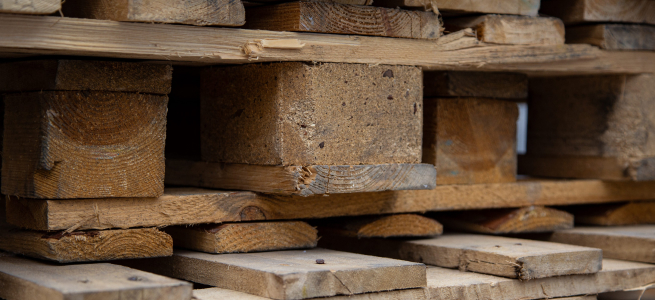
Some businesses use pallets for one-way transportation, while others reuse pallets repeatedly within their warehouse or supply chain.
For repeated use, businesses may place greater importance on pallet condition and suitability for frequent handling.
Understanding the expected usage cycle can help businesses determine which pallet option is more practical. |
| |
New or Recycled: Which Is Better?
|
|
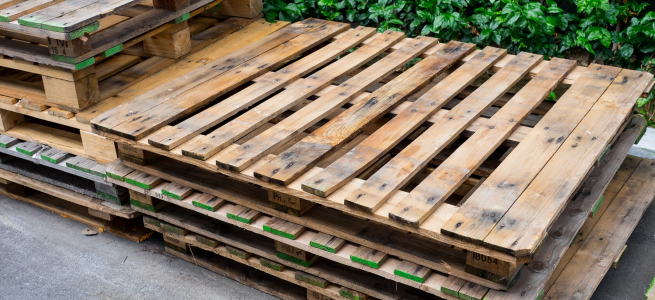
| Neither option is automatically better for every business. |
|
 |
|
| Look for obvious signs of damage such as: |
|
- Consistent pallet specifications are required
- Specific dimensions are needed
- Pallet condition is an important consideration
- The pallets will be used for a particular operational requirement
|
|
| Recycled or local pallets may be suitable when: |
|
- A previously used pallet is appropriate for the application
- Businesses are looking for another pallet option
- The pallet's condition meets the operational requirements
- Cost is an important consideration
|
|
| The best choice ultimately depends on the business's specific requirements. |
| |
What Should You Ask Your Pallet Supplier?
|
|
 |
| |
| Before purchasing wooden pallets, businesses can ask suppliers about: |
|
 |
|
Available pallet sizes |
|
 |
|
Pallet condition |
|
 |
|
Load requirements |
|
 |
|
Available quantities |
|
|
 |
|
New or recycled options |
|
 |
|
Intended usage |
|
 |
|
Transportation arrangements |
|
|
|
| Providing this information allows the supplier to better understand the customer's requirements and recommend suitable options. |